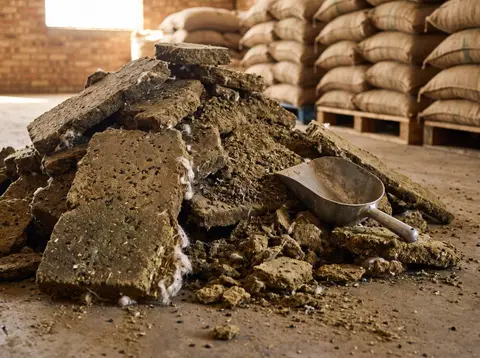
Beginning seed cottons processing begins by separating the textile fiber divorced from the nut. Such grains, constituting a significant portion of the initial substance, are then accurately opened to obtain beneficial oil. This lipid separation exemplifies mechanized extrusion followed by solvent extraction, commonly employing organic hexane. The remaining cake, once oil-rich, transforms into the essential fiber meal. Further enhancing phases – featuring degumming, bleaching, and deodorizing – generate a palatable seed meal, frequently utilized as creature diet or even as production materials across various sectors. This full operation exemplifies how formerly discarded matter can be metamorphosed into a valuable and highly practical ingredient.
Boosting Profits by-product of Cotton: Surpassing Animal Nutrition
Regularly, cottonseed has been primarily considered a resource for animal fodder, but increasingly innovative approaches reveal much broader prospects. Examining uses such as conversion into renewable fuel yields new chances to generate extra income streams and decrease environmental consequences. Further, research uncovers variants in nutritional products, such as protein isolates and flours, although regulation and safety concerns remain critical. Establishing value-added outputs like distinctive oils or employing cottonseed hulls for soil conditioning offers remarkable financial gains. Here's a insight into impressive prospects:
- Renewable energy sources: Conversion of cottonseed oil to biodiesel.
- Food-based products: Utilizing protein isolates and flours in processed foods.
- Ground conditioning: Employing hulls for biochar or soil conditioning.
- Industrial Uses: Extracting valuable compounds for various industries.
Flavored Rice & Cotton Crop Farming: Renewable Co-existence Strategies
Customary production of basmati rice and cotton yield in numerous regions poses marked barriers, especially regarding water availability and pest control. Formulating strategies for their sustainable co-existence grows increasingly essential. A multifaceted approach is essential, incorporating modernized farming methods that minimize environmental impact and boost productivity for both crops. This entails encouraging drought-tolerant crop breeds alongside precision irrigation, such as drip or sprinkler approaches. Furthermore, integrated pest management (IPM) – adopting biological control and reducing dependence on chemical toxins – benefits both the rice crop and the cotton harvest. All in all, collaboration among farmers, scientists, and policymakers remains vital to forge a resilient agricultural system that supports these two economically valuable commodities while conserving precious natural assets.
- Reduce irrigation needs.
- Enforce integrated pest management.
- Advance the adoption of drought-resistant varieties.
- Bolster farmer training and knowledge sharing regarding sustainable practices.
Prospects of Cotton Bale Trading in a Unstable Market
The developing landscape of cotton bale selling confronts remarkable challenges amid today's volatile market. Variations in worldwide market requirement, worsened by global uncertainty and shipment interruptions, are transforming customary approaches. Anticipated is a heightened focus on digitalization and distributed record-keeping solutions to raise openness and productivity. Micro-farmers must modify by refining risk handling measures, possibly making use of forward contracts and progressive copra cake financing avenues. In summary, cotton bale trading's future rests on the potential of industry actors to steer this demanding terrain with elasticity and commitment to socially responsible practices.
- Enhanced price discovery via real-time data analytics
- Augmented use of smart contracts for streamlined transactions
- Focus on sustainability reporting to satisfy consumer demands.
Cottonseed Meal: Dietary Benefits for Animal Wellness
Cottonseed meal, a derivative of cotton generation, provides significant feeding edges for various beast classes. This product is notably rich in amino acids, typically ranging widely, making it a worthwhile supplement, especially for ruminants like cattle.
- Contributes essential nutritional elements for muscle growth and overall development.
- Functions as a more balanced diet ingredient when integrated strategically.
- Regularly employed as a partial or full replacement for other protein sources like soybean meal, reducing production outlay.
Knowing the Rank and Quality of Cotton Bales
Assessing designated category of cotton bales is paramount for purchasers. Several factors modify a bale's price, like fiber length, sturdiness, tone, and presence of contaminants. Appraisal standards like those set by the USDA grant a system for analyzing those traits, typically shown via numbers and letter codes.
- Strand Measurement impacts fabric texture.
- Toughness correlates to fabric durability.
- Shade affects surface look.
Basmati Rice Production: Refining Crop and Grain Volume
Enhancing fine-quality rice cultivation depends on rigorous management of vital aspects. Reaching ideal outputs and characteristic long berries demands attention to earth quality. This involves ensuring adequate moisture input, employing suitable plant foods, and choosing superior rice genotypes. Additionally, adopting refined field management like controlled harvesting timing and improved post-harvest preservation notably influence both summed production and the preferred seed size. Exploration into novel, more effective methods, especially regarding water savings, is ongoing to sustain high-value rice production and improve its global quality.
Moving from Seed to Dining: The Progression of Cottonseed Oil & Meal
The processing of cottonseed oil and meal is an intriguing transformation, commencing with the reaping of cotton plants. After fluffy fibers are separated, the seeds themselves are rendered to release their oily kernel. This kernel then undergoes pressing or solvent extraction to yield valuable cottonseed oil, a widely employed cooking oil and ingredient in numerous foods. The residue afterward – the seed cake – becomes cottonseed meal, a protein-rich feed crucial for livestock, poultry, and aquaculture. In short, what was once discarded as agriculture byproduct is now carefully converted to provide both nourishing food products for humans and vital nourishment for animals, illustrating a remarkable example of agricultural resourcefulness.
Uniting Fibrous Crop, Paddy, and Countryside Sectors: A Review
Current intricate connection between textile crops production, seed crop cultivation, and the overall health of field communities is vividly depicted by a example in this [Region Name]. Since long ago, these two crops have stood as pillars of the local economic base, delivering both sustenance and income to numerous farming families. Swings in fibers prices – often influenced by global trade dynamics – directly impact farmer purchasing power, affecting their ability to invest in rice seed or other inputs, thus influencing yields and overall food security within the agricultural zone. Conversely, a poor grain harvest can force farmers to allocate more land to plant fibers as a commercial crop, potentially diminishing dietary variety and heightening vulnerability to market shocks. That interdependence underscores the necessity for integrated agricultural policies fostering diversification, resilience, and equitable resource access within these connected farming communities.