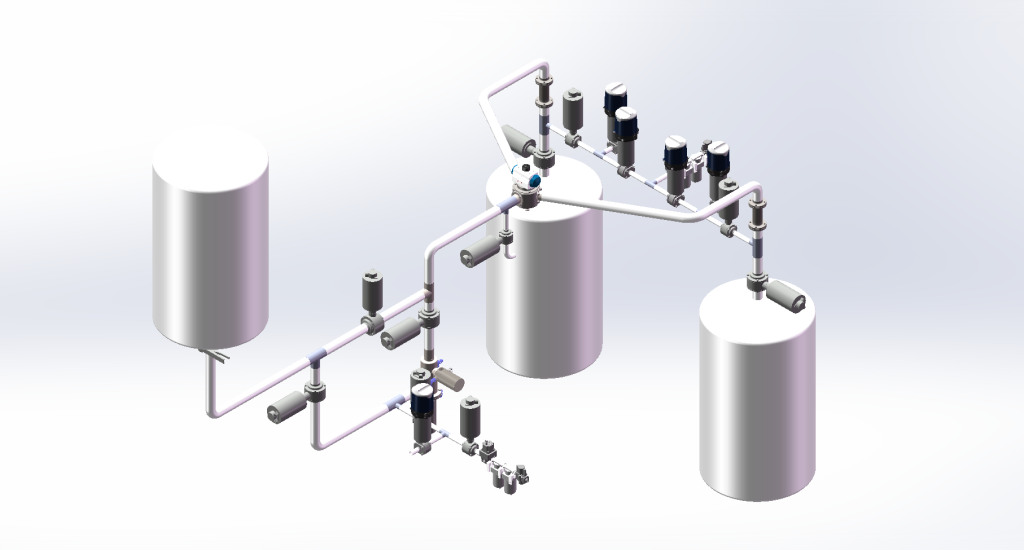
Resourcefully coordinating passage purifying activities considerably augments passage functionality whereas diminishing buildups and pipeline cleaning process maintaining framework soundness.
Tube flushing serves as a necessary operation for supporting the integrity of petroleum channels. This procedure entails using a gadget, often termed a “pig,” to pass through the duct and expel contaminants like film, diagnose erosion, and rehabilitate stream operation. Familiarizing with the disparate classes of pigging actions, from fundamental sphere pigs to more detailed intelligent pigs with gauges, is key for improving pipeline stability and lowering downtime expenses.
A Science of Passage Refining Pigs
A function of pipeline cleaning, often conducted with specialized tools known as wipes, is a surprisingly intricate area of technology. These devices aren't just just brushes; their design and utility are rooted in dynamic dynamics and element science. Usually, pigs are launched into a duct and travel with the passage of the material, slowly removing buildups of film, deterioration, and other residue. Numerous types of pigs emerge, each created to address specific challenges. For exemplar, magnetized pigs employ magnetic influence to proceed through complex bends and ramps, while spongy pigs break clung deposits. The output of a pigging initiative is explicitly linked to grasping the conduit's characteristics and selecting the compatible pig for the role.
- Pig Classes
- Liquid Physics
- Element Compatibility
Improving The Passage Washing Strategy
To secure peak productivity of your installation, precise pipeline cleaning is absolutely important. Regularly monitoring your pipelines and adopting a systematic cleaning process can markedly cut down downtime and avoid costly overhauls. Consider integrating preventative procedures, such as periodic clearing with appropriate reagents, and exploiting advanced methods like pigging or hydrojetting to expunge buildup. A effective cleaning regime will sustain pipeline operational life and enhance overall performance success.
Purging for Pipeline Sustenance: Best Methods
To confirm optimal tube operation, employing purging tactics is essential. Best strategies involve consistent assessments of pig shape and adoption of the right type for the individual use. Careful design of gadget size, composition, and forcible setup is mandatory. Furthermore, complete tracking of purging events and any noted issues is crucial for productive channel holding operation.
Recognize Pigging? Knowing Pipeline Scrubbing Technology
Flushing, otherwise named pipeline analysis technology, embodies a crucial operation for maintaining the integrity of pipelines used for carrying liquids and gases. Essentially, a “pig” – known as a cylindrical apparatus – is released through the duct to eradicate debris, layer, and degradation that compounds over time. This sanitizing method promotes to enhance flow functionality, cut down the risk of collapses, and boost the existence of the total pipeline framework.
Varieties of Conduits Clearing Launchers: Selecting the Fitting Mechanism
Various categories of channel washing devices are present to treat differing tube settings. Bidirectional devices move in both headings, appropriate for extracting targeted debris. Plate gadgets are notable for eliminating buildup from pipeline walls, while filament instruments are made for tackling decay and considerable paraffin pile. Pneumatic devices use dedicated agent carriers to soften build-ups, and magnetic apparatus enable advanced testing capabilities. Thus, thorough study of line characteristics is required for identifying the ideal tool for the mission.
Pros of Routine Pigging for Pipeline Robustness
Regular pipeline inspection routines offer substantial improvements for pipeline performance. These mechanized systems effectively expel deposits like scale and erosion, which can reduce flow and threaten the pipe’s foundation. By pinpointing faults early, pigging enables proactive care, minimizing the threat of costly failures and preserving the ongoing functionality of the total pipeline system. This, in turn, raises effectiveness and reduces operational fees.
Specific Step-by-Step Guide to the Pipeline Cleaning Process
To initiate the duct cleaning procedure, at first, a in-depth assessment of the setup is mandatory. Following, the ideal cleaning process is elected, which may entail methods like scouring or solution application. The instrument is then strictly inserted into the conduit and moved along its reach. Along the route, the device extracts concentrated impurities. Finally, the polished pig is extracted, and a ultimate assessment certifies the passage’s purity.
Fixing Common Issues in Pipeline Pigging
Addressing obstacles that emerge during pipeline flushing operations is imperative for retaining paramount flow efficiency. Frequent concerns often center around device seizing within the conduit, which can be due to build-up of residue, hydrate build-up, or dislocation of the instrument. Proper examination often needs pressure checking, visual scrutiny of pig observation data, and potentially state-of-the-art equipment for instrument salvage. Furthermore, challenges related to frayed cups or seals on the equipment also necessitate immediate attention to prevent more serious operational malfunctions and costly adjustments.