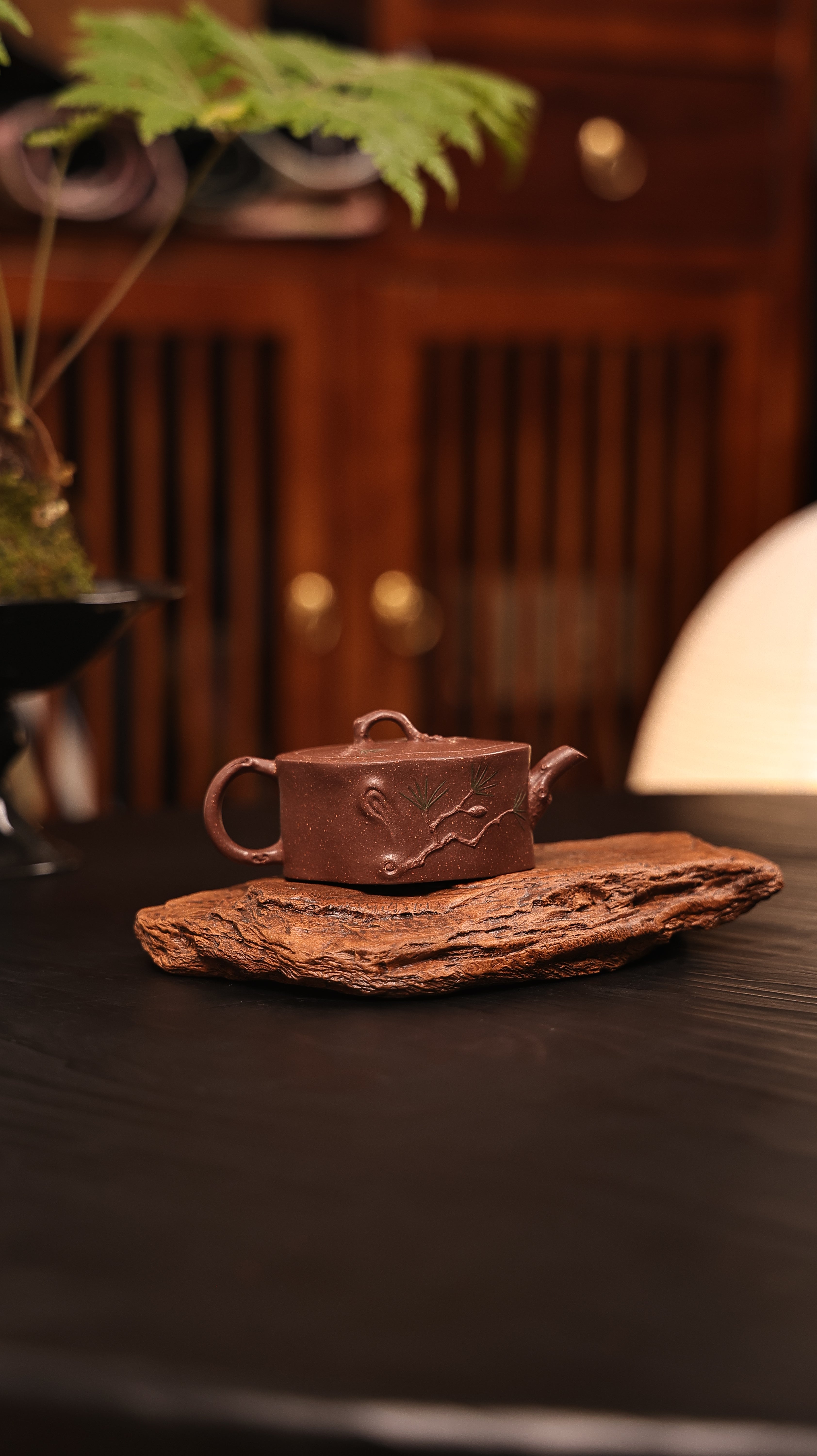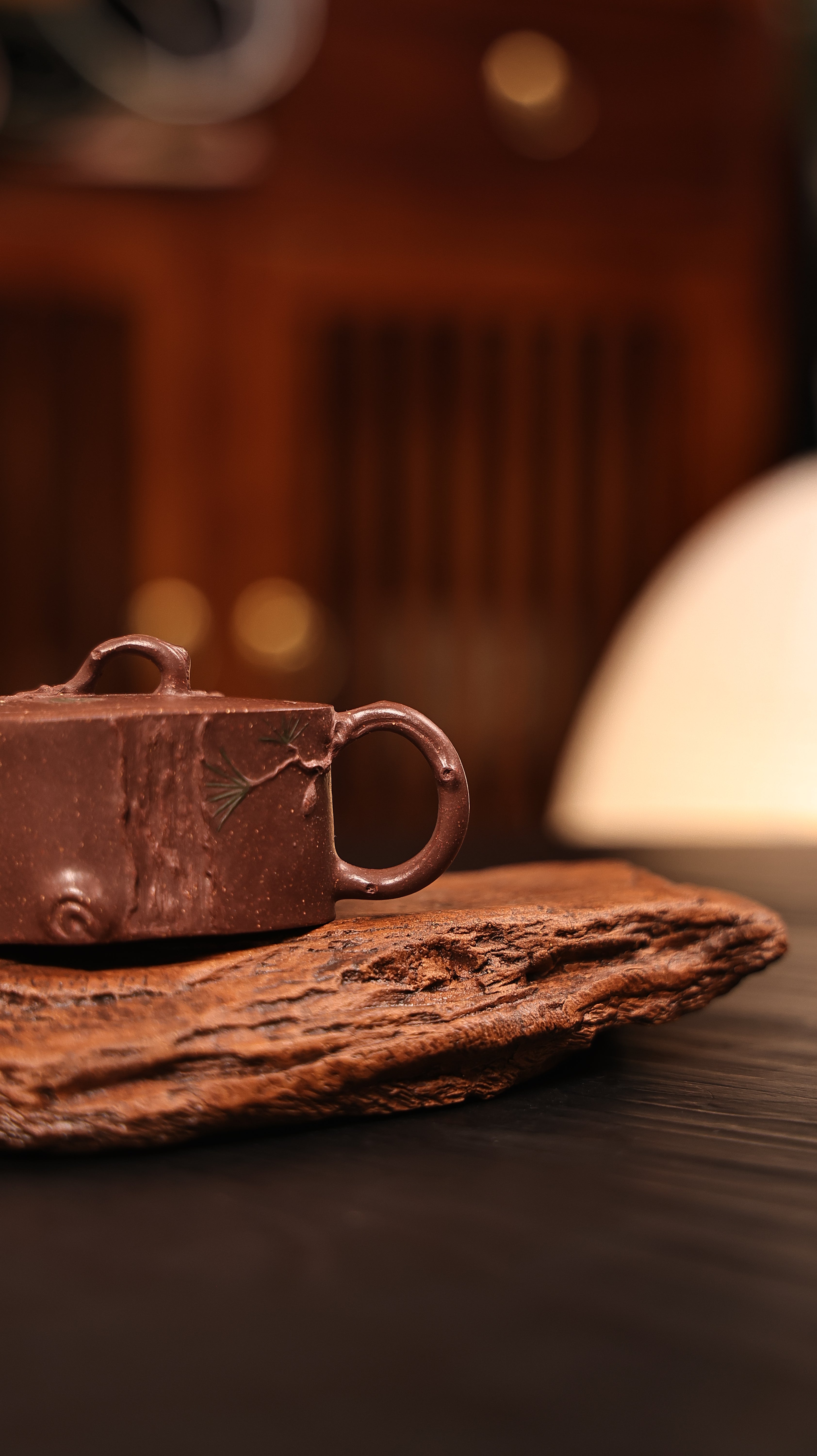
Amidst endless eras of heritage,
For millennia, connoisseurs have been enthralled by the uncommon charm of Yixing Zisha vessels. Originating from the area of Yixing in the Jiangsu Province, these objects are renowned for their preeminent beauty, extraordinary clay, and congenital ability to enhance the flavor of the infusion. The earth's distinctive maroon hue, combined with the expert fabrication of indigenous sculptors, creates products that are equally functional crafts and coveted properties. Possessing a Zisha teapot is more than just certain purchase; it's welcoming a rich ethnic heritage.
Grasping Yixing Teapots: Chronicles, Kinds, and Significance
The notable Yixing teapots stand as a profound past deeply intertwined with Chinese culture. Stemming in the Yixing region of Jiangsu province, these clay vessels possess a heritage stretching back to the Ming Dynasty. Early examples were functional, but throughout centuries, Yixing teapot forging evolved into an esteemed art form. The clay itself, known for its unique composition and ability to boost the flavor of the tea, stays a defining factor. Yixing teapots exist in various styles, broadly categorized by shape: Typical such as Zhuni (purple clay) and Bisheng, as well as exclusive designs. The cost of a Yixing teapot depends on several factors, including the potter’s reputation, the age of the piece, the rarity of the clay, and its aesthetic grace.- Chronology: Founding era
- Material: Zhuni (purple clay)
- Value Factors: Potter’s reputation
Zisha Craftsmanship: Skills and Creators
One crafting of a bona fide Zisha teapot is a sophisticated process, requiring periods of experience. Veteran artisans meticulously pick the finest Zisha clay, a exclusive earth found only in specific regions of China. Customary techniques, often passed down through families, involve accurate shaping, nuanced carving, and unhurried firing in ancient fireplaces. The final teapot isn't merely a jar; it's a testament to creative vision and the weighty connection between the craftsman and their lineage. Each object showcases the special touch of the creator, resulting in a truly one-of-a-kind work of creation.
Chinese Earthenware: Exploring the Extensive Traditions of the Yixing Locality
This Yixing, placed in Jiangsu Province, is broadly renowned for its exceptional vessels – a tangible representation of centuries of Chinese Chinese Teapot art. These aren't merely vessels for infusing tea; they are intricate works of craft, often reflecting spiritual ideals. Such unique purple clay, known as Zisha, possesses exceptional qualities: the compound dense, diffusive, and imparts a subtle character to the tea.
- Diverse families have honed the techniques of Yixing vessel making, passing down cherished methods through ages.
- Connoisseurs prize these pieces for their grace and scarcity.
- Several jar tells a story, connecting the enjoyer to a rich background.
Acquiring Yixing Zisha: Guiding Points
Upon considering purchasing Yixing Zisha pots, diverse points expect careful attention. Initially, the element's pigment is essential; authentic Zisha typically exhibits a unique earthy tinge. What's more, review the production; exacting attributes and a smooth surface suggest talented creation. Ultimately, determine the creator’s standing; well-known names earn superior rates and often afford a secure gain.
Crafting Tea with Zisha Clay Vessels
Making exquisite tea with a Zisha vessel is more than a simple process; it's an technique. Zisha clay, recognized for its unique chemical composition, imparts a light character to the processed tea that’s often not found with other vessels. The correct water heat is vital; typically, moderated than what's used for black tea, to sustain the tea's bouquet and character. Consider attentively the tea type; delicate green teas or aged pu-erhs advance from the Zisha’s ability to calm their innate edge. It’s necessary to warm the teapot earlier than brewing, and to shun over-steeping. Mastering this method leads to a authentically exceptional tea experience.
- Realizing Zisha Clay
- Water Warmth & Tea Selection
- Value of Warming Up
Maintaining Your Esteemed Container
For the purpose of ensure the continuity of your valuable Yixing teapot, habitual attention is absolutely mandatory. Refrain from using synthetic products; instead, carefully wash it with pleasantly heated moisture. Steer clear of sharp shifts; refrain lay the urn directly onto a searing surface. Periodically, enrich the clay pot by percolating it with excellent refined infusion, as this improves to improve its quality and defends the exclusive charm of the element.
Concerning Dirt to Container: The Development of a Yixing Vessel
The creation of a Zisha teapot is a exceptional mechanism, a symbol to both the environment’s bounty and the artistry of the fabricator. It begins with the precise extraction of the extraordinary clay from the violet Zisha mines neighboring Yixing. This prime material, known for its superior peculiarities, is then slowly distilled and shaped for the foundational forming. The vessel’s configuration is precisely fashioned using a fusion of established wheel throwing processes, often incorporating fancy enhancements. Following curing, the container undergoes a fundamental first firing, subsequent by a surface treatment stage, which might involve numerous layers of authentic Zisha paints. Finally, a second, and sometimes third, firing at high temperatures perfects the artifact, revealing its definitive beauty and magnificent characteristics - a honest masterpiece, available to enrich a tea event.
{Yixing Teapots: A Sign of the Way of Life and Honoring
Yixing teapots, originating from the famed Yixing region of Jiangsu province, are far more than mere pots for brewing brews; they represent a important aspect of Chinese traditions. Produced from distinctive purple clay – zisha – these uncommon teapots are highly admired for their ability to refine the flavor of the tea and, crucially, for their elegance. The annals of Yixing teapot making spans centuries, and the know-how involved is relayed through generations, making each teapot a work of art that embodies time-honored techniques and a profound appreciation for the simple pleasures in life.