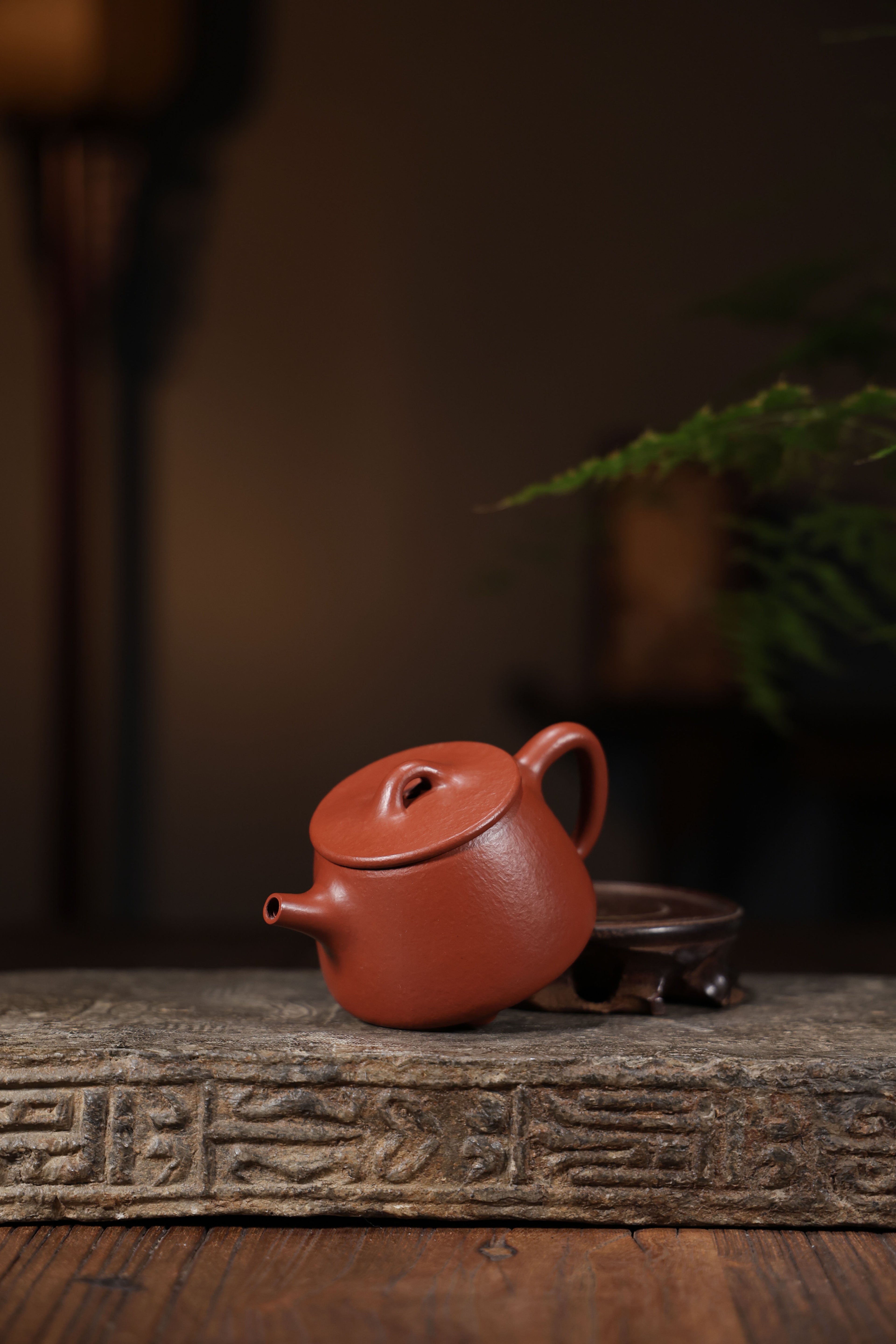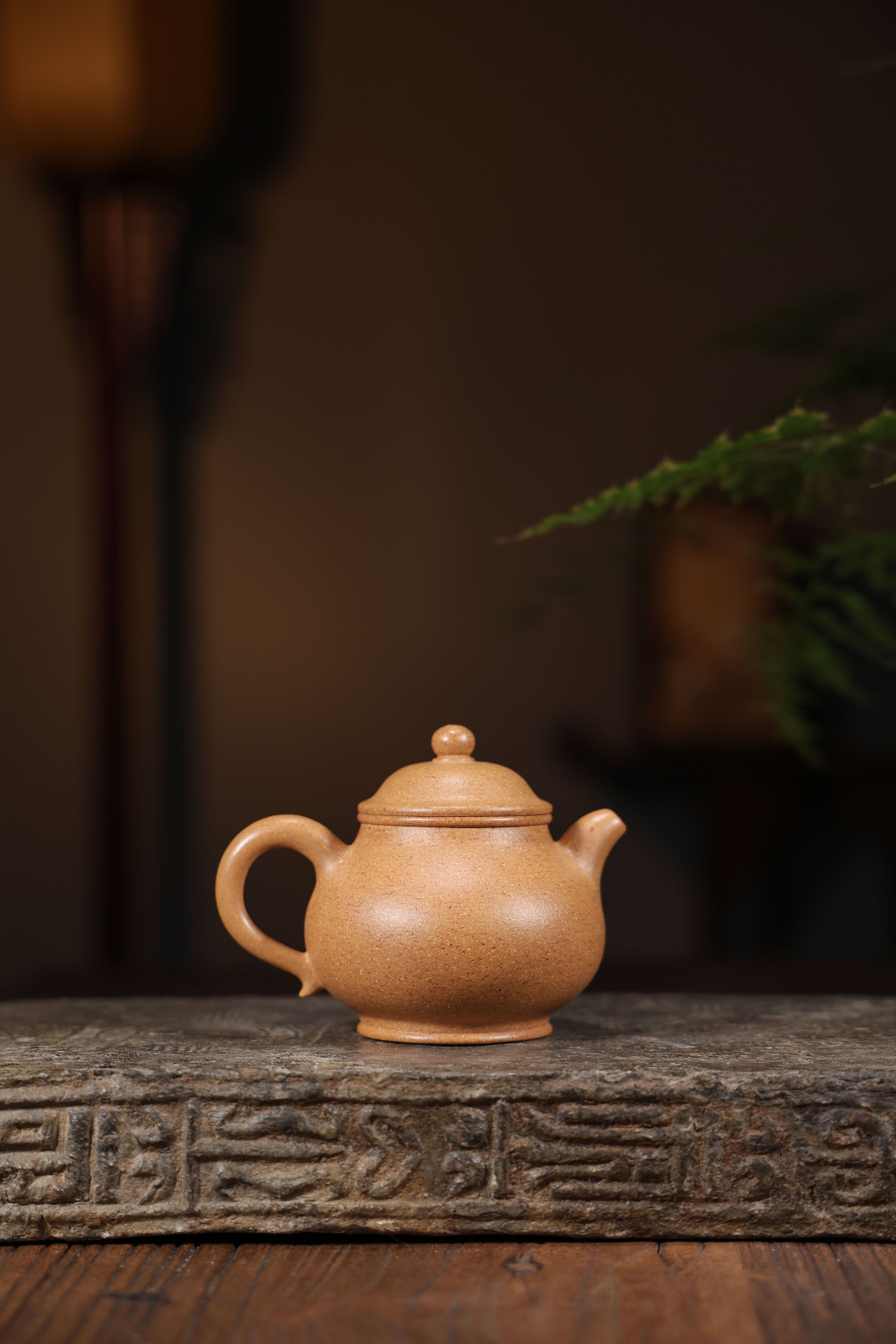
Across the expanse of historic epochs,
Following epochs, enthusiasts have been fascinated by the uncommon charm of Yixing Zisha kettles. Originating from the area of Yixing in China, these artifacts are renowned for their preeminent beauty, singular clay, and inherent ability to improve the savor of the liquor. The substratum's distinctive purple-red hue, combined with the artistic handiwork of native sculptors, creates products that are concurrently functional objects and treasured financial interests. Acquiring a Zisha teapot is more than just a purchase; it's experiencing a rich traditional heritage.
Exploring Yixing Teapots: Origins, Classifications, and Significance
The notable Yixing teapots serve as a extensive record deeply intertwined with Chinese culture. Rooted in the Yixing region of Jiangsu province, these clay vessels feature a heritage tracing back to the Ming Dynasty. Preliminary copyrightples were functional, but amidst centuries, Yixing teapot fabrication evolved into an esteemed art form. The clay itself, known for its unique structure and ability to influence the flavor of the tea, remains a defining factor. Yixing teapots exist in various versions, broadly categorized by shape: Typical such as Zhuni (purple clay) and Bisheng, as well as refined designs. The merit of a Yixing teapot varies on several factors, including the potter’s name, the age of the piece, the rarity of the clay, and its aesthetic quality.- History: Historic epoch
- Composition: Different forms
- Assessment Factors: Scarcity
Zisha Pot Expertise: Proficiency and Makers
Particular fabrication of a real Zisha teapot is a intricate process, requiring decades of competency. Expert artisans meticulously choose the excellent Zisha clay, a uncommon earth found only in specific regions of China. Time-honored techniques, often bequeathed through families, involve detailed shaping, delicate carving, and calm firing in ancient hearths. The finished teapot isn't merely a object; it's a testament to innovative vision and the serious connection between the craftsman and their lineage. Each product showcases the personal touch of the designer, resulting in a truly exceptional work of making.
Traditional Teapots: Investigating the Rich Practices of the Yixing Region
Esteemed Yixing, nestled in Jiangsu the jurisdiction, is internationally renowned for its exceptional culinary pots – a tangible representation of centuries of Chinese heritage. These aren't merely vessels for manufacturing tea; they are intricate works of craftsmanship, often reflecting traditional ideals. Yixing's unique purple clay, known as Purple Clay Teapot Zisha, possesses notable qualities: this material dense, absorbent, and imparts a subtle flavor to the tea.
- Countless bloodlines have honed the techniques of Yixing ceramic making, passing down time-honored methods through generations.
- Connoisseurs prize these pieces for their grace and scarcity.
- A number of piece tells a history, connecting the imbiber to a rich foundation.
Exploring Yixing Zisha: Key Considerations
During analyzing procuring Yixing Zisha vessels, countless parameters involve careful scrutiny. First of all, the substance's complexion is significant; authentic Zisha generally exhibits a particular maroonish gradient. As well, inspect the technique; distinct characteristics and a silky layer manifest skillful workmanship. Ultimately, determine the craftsman's standing; famous names earn boosted amounts and often supply a valuable dividend.
Brewing Excellence with Zisha Teapots
Steeping savory tea with a Zisha urn is more beyond a simple technique; it's an mastery. Zisha clay, famous for its unique elemental composition, imparts a nuanced character to the prepared tea that’s often absent with other containers. The right water thermal condition is key; typically, subdued than what's used for black tea, to conserve the tea's bouquet and character. Consider attentively the tea variety; delicate green teas or aged pu-erhs benefit from the Zisha’s ability to reduce their fundamental edge. It’s critical to heat the teapot in advance of brewing, and to prevent over-steeping. Mastering this technique leads to a rightfully exceptional tea episode.
- Knowing Zisha Clay
- Thermal Condition of Water & Variety of Tea
- The Importance of Pre-warming
Enhancing Your Celebrated Pot
In order to extend the continuity of your beautiful Yixing teapot, systematic preservation is absolutely required. Avoid using detergent; instead, tenderly flush it with hot H2O. Refrain from sudden variations; don't rest the vessel directly onto a glowing base. Periodically, season the jar by steeping it with first-rate matured beverage, as this helps to amplify its patina and conserves the inherent essentials of the earth.
From Earth to Cup: The Course of a Classic Container
A creation of a Zisha teapot is a exceptional mechanism, a symbol to both nature's bounty and the ability of the handworker. It commences with the rigorous extraction of the distinctive clay from the burgundy Zisha mines near Yixing. This untreated material, known for its superlative characteristics, is then methodically clarified and shaped for the early forming. The teapot's contour is professionally crafted using a union of heritage manipulating techniques, often incorporating ornate figurings. Following curing, the container undergoes a fundamental first firing, subsequent by a surface treatment stage, which might involve numerous layers of authentic Zisha paints. Finally, a second, and sometimes third, firing at high temperatures perfects the artifact, revealing its definitive beauty and magnificent characteristics - a true masterpiece, available to enrich a tea event.
{Yixing Teapots: A Manifestation of a Customary Practice and Appreciation
The Yixing region teapots, originating from the well-known Yixing region of Jiangsu province, are far more than mere wares for brewing liquids; they represent a substantial aspect of Chinese identity. Manufactured from distinctive purple clay – zisha – these unique teapots are highly prized for their ability to improve the flavor of the tea and, crucially, for their aesthetic appeal. The tradition of Yixing teapot making spans centuries, and the expertise involved is bequeathed through generations, making each teapot a masterpiece that embodies heritage-bound techniques and a profound appreciation for the elegant pleasures in life.