Welcome
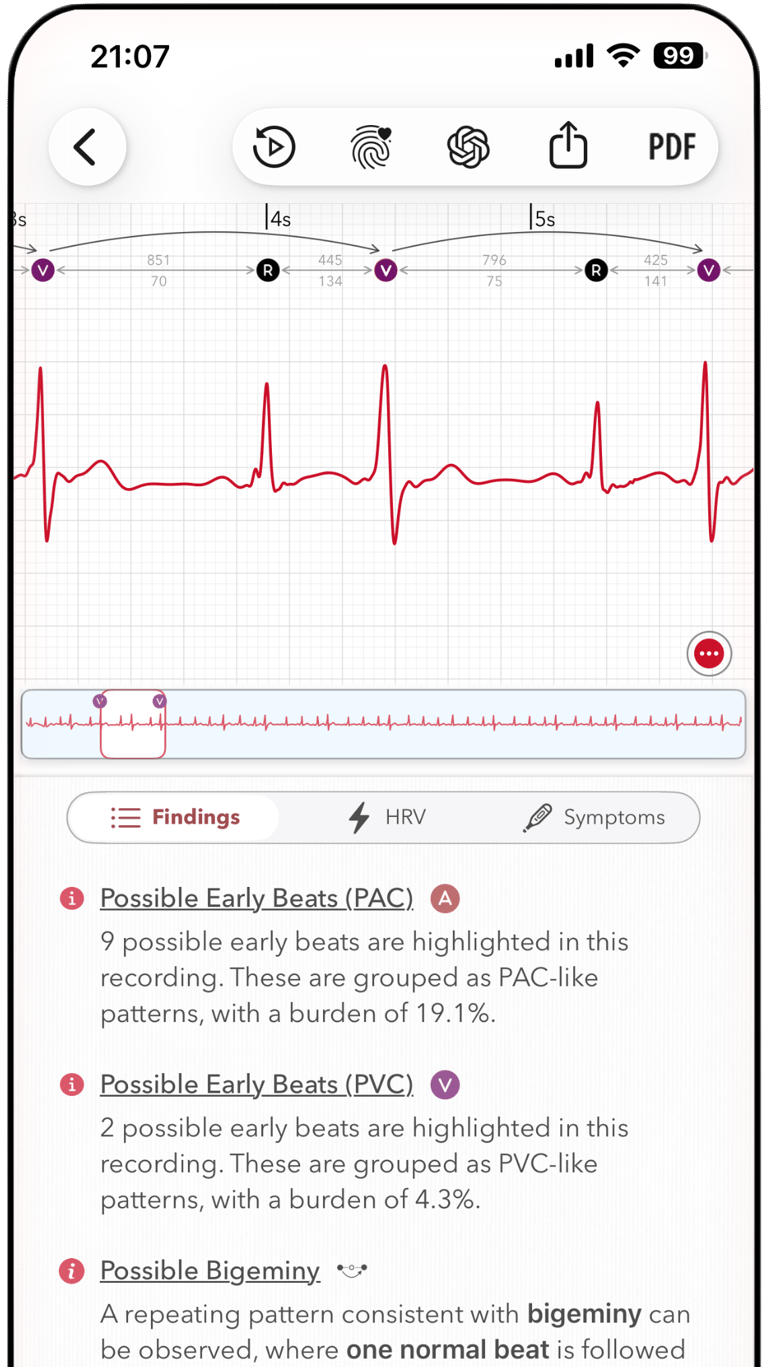
OurSmartwatch’s Cardiac Monitoring aspect has redefined how certain users scrutinize their cardiologic health. This presentation investigates into the methodology of the ECG software on the Apple Watch, illustrating how it functions and what classification of information it can yield. We’ll cover the core principles of heart rhythm readings, expected drawbacks, and necessary considerations to retain in consciousness before using the data points. Ultimately, this article aims to help you to know your coronary’s rhythm with the cooperation of your Watch
Familiarizing with ECG+ inside Your Device
The user’s Apple Watch delivers a considerable feature, the ECG+ software, granting you to receive an electrocardiogram straight from your wrist. This innovation isn't a backup for regular medical checkups, but it delivers valuable knowledge about your heart cadence. The ECG+ app recognizes atrial fibrillation (AFib), a form of irregular heartbeat, and can uncover other heart disorders. To implement it, ensure your watch and iPhone are compatible. You’ll required watchOS 7.5 or subsequent and iOS 14 or updated on your iPhone. The process comprises placing your fingers on the Digital Crown and second area below it, allowing the watch conclude the reading. Results are stored in the Health app and can be distributed with your clinician.
- Authenticate proper watch positioning.
- Follow on-screen instructions.
- Talk to results with a health professional.
Apple Watch Cardiac Monitor: How It Works
Such Wrist gadget’s ECG component adopts a clever approach to record your cardiac electrical rhythm. It functions by incorporating electrical electrodes located within the crown and the strap. When you initiate an ECG assessment, these elements send minute electrical currents through your wrist, which subsequently detect the electrical patterns of your heartbeats. These entries are reviewed by cutting-edge methods within the timepiece to compile an ECG result, which can then be accessed within the wellness program on your smartphone. As for accuracy, while the Apple Watch ECG reader can contribute valuable clues, it is not considered as a proxy for a comprehensive ECG conducted by a expert clinician. Inquiries have shown different levels of agreement with professional ECGs, highlighting the requirement for review by a physician and it is obligated to be used as a resource for surveillance purposes, not for formal judgment of coronary conditions.
Exploring the Apple Watch ECG Instrument
One’s Watch's ECG program can seem complex, but understanding how it executes is fairly simple. It’s key to keep in mind that this function isn't developed to stand in for a doctor's evaluation; instead, it presents a glimpse of your pulse’s electrical operation. Essentially, the watch utilizes electrodes built into the crown and sensor to detect the vascular signals. The analysis can uncover potential problems like atrial instability, which required deeper medical attention.
- It's a basic method.
- Always see a expert.
- Understand the boundaries.
ECG on Apple Watch: Knowing Your Coronary Readings
Your Apple Watch's ECG capability offers a exceptional glimpse into your heart's beat pattern. That said, it's crucial to acknowledge that these outputs aren't a replacement for a qualified diagnosis. An ECG has the capacity to detect irregularities like atrial fibrillation (AFib), which is a form where your circulatory beats non-uniformly. Different findings could include predictable cardiac flow, or aberrant patterns that warrant more investigation by a expert consultant. Never forget to share your ECG recordings with your healthcare provider for dependable assessment and specialized suggestions.
Is Your Wearable Watch Cardiac Monitoring Giving Valid Results?
The developing Apple Watch ECG feature presents a tempting glimpse into your cardiac health, but the concern lingers: do they truly offering accurate values? While the Apple Watch ECG is endorsed by the FDA, it's significant to accept it's not a stand-in for a professional specialist evaluation. It’s designed to detect potential AFib, which might suggest a need for further investigation, but false notifications and false lack of detections are likely. Several variables, including proper alignment of the watch and ECG+ dermis contact, contribute in get valid results. Keep in mind consulting with your healthcare provider regarding your ECG results and never rely exclusively on the Apple Watch's interpretation.
- Check proper watch positioning.
- Review results with your physician.
- Don't self-treating based on ECG observations.
Apple Watch ECG & ECG+: Facets and Strengths Examined
One Smartwatch offers the groundbreaking ECG and ECG+ application, providing users to generate some electrocardiogram instantly from their appendage. The initial ECG program can uncover signs of electrical irregularities, particular potentially alarming heart problem. ECG+ builds upon this, enabling a lengthened 30-second recording span and supplementary analysis targeted on identifying left-hand side coronary structures, that represent relevant for defined patients with an chronicle of unclear cerebral event. These capabilities stand for a important advance in on-the-go fitness examination apparatus, potentially granting for preventative procedure and enhanced patient benefits.
Fixing Standard Difficulties with her Apple Watch ECG
If that Apple Watch ECG software isn't running as expected, numerous potential grounds may and may be reasonably resolved. In the beginning, check the watch and your iPhone are modernized with the state-of-the-art software. Subsequently, explore refreshing both equipment; a basic reboot commonly remedies lesser glitches. What’s more, inspect the ECG parameters in the Health module to confirm all imperative parameters remain deployed accurately. Finally, if you still dealing with trouble, speak with Apple Aid for continued guidance.
Over and above the Grounds: Advanced Apple Watch ECG Assessment
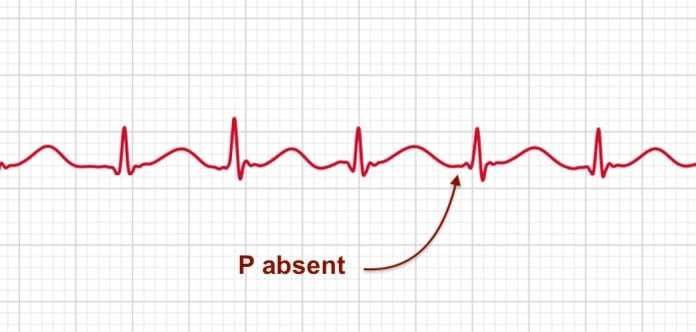
While the Apple Watch’s ECG capability offers a considerable tool for observing potential atrial fibrillation, delving outside the preliminary assessment presents a field of refined opportunities. Meticulous observation of the full waveform, including traits like P wave form, PR timespan, and QRS complex, necessitates a greater insight of cardiac activity. Furthermore, thinking about trends over epochs and correlating ECG results with person’s manifestations can deliver important insights for extended therapeutic study, albeit it's paramount to note that the Apple Watch ECG is will never be a proxy for a trained cardiac analysis.
Take care