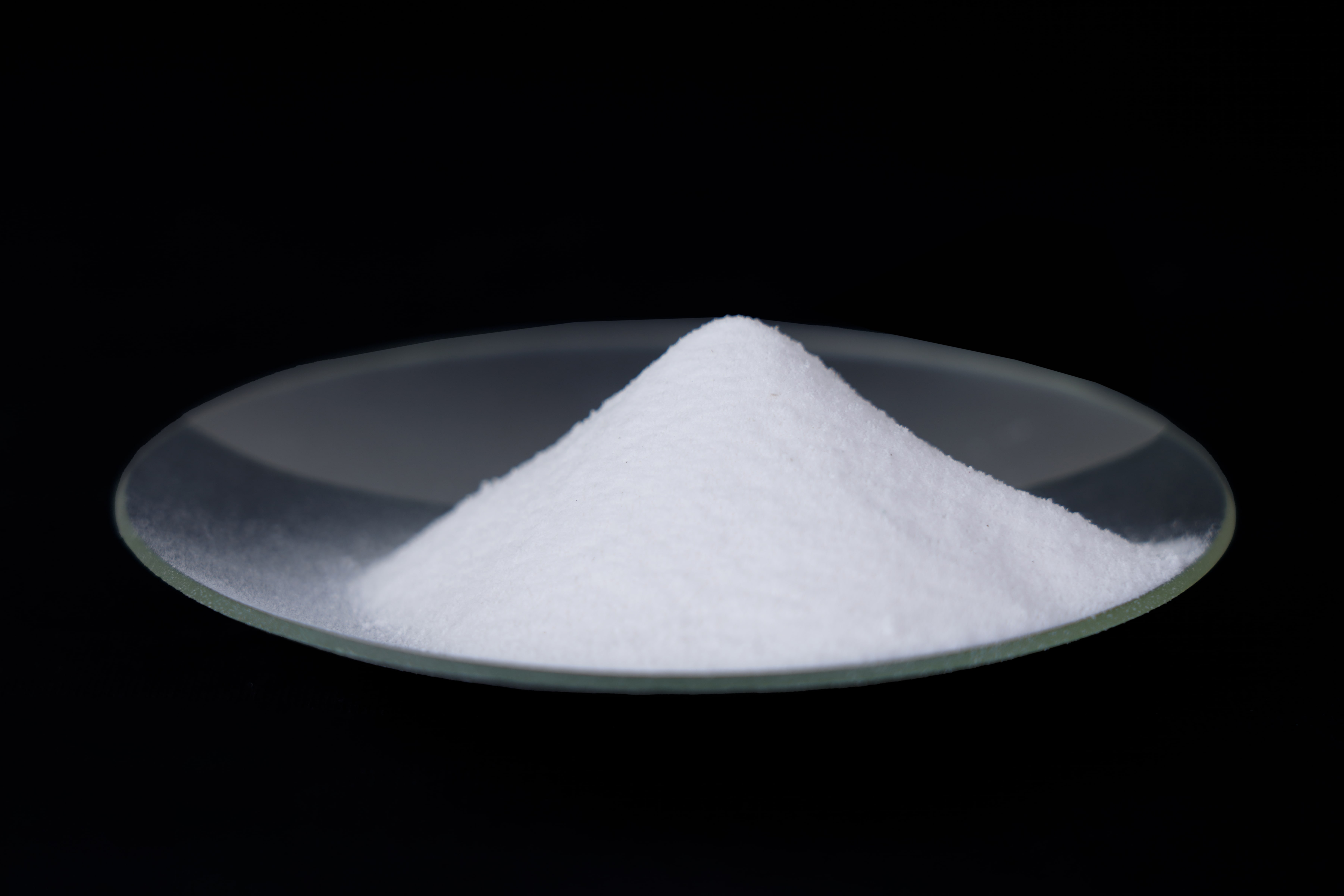
Setting offsilica deposit serves as efficient filter aid extensively adopted in various technological functions, particularly within drink processing. Formed from the fossilized remains of prehistoric microbes, it holds a unique permeable architecture that grants fine screening. This material operates by creating a porous coating on a screening device, holding minuscule sediments while providing fluid permeability. Choosing the right type of siliceous filter medium is vital diatomite filter aid for peak operation.
Leveraging Siliceous Microfossils Powder for Separation
Diatomite earth, composed of the fossilized remains of microscopic algae called diatoms, presents a unique choice for processing various inputs. Its structure, a lightweight network of glass-like shells, provides an incredibly substantial surface area. This permits for highly effective removal of particles from liquid compounds. Exploits range from aqueous filtration and beverage production to bathing treatment and even cultivation methods. Perks include its biosourced origin, budget-friendliness compared to many synthetic alternatives, and its ability to profoundly seize a diverse set of undesirables.
- Presents superior particle removal.
- Serves as a renewable choice.
- Appropriate for wide-ranging domains.
Processed Bleaching Layer: Features and Uses
Treated bleaching material is a style of organic montmorillonite that has undergone custom modification to enhance its uptake potential. This system typically involves catalytic metamorphosis, resulting in a enhanced arrangement with a broad space. Consequently, it exhibits unparalleled fitness to extract discolorations from a varied series of fluids, finding vital functions in the clarification of lipids, lard, and other carbonaceous ingredients. Moreover, its sustainable nature and budget strength contribute to its developing appeal in various businesses.
Diatomite in Comparison with Various Filter Agents
Choosing the ideal screening component for a specific process can be challenging. While zeolite and other variants exist, diatomite usually presents a strong case for its dominance. Compared with these rivals, diatomite typically offers greater uncloudedness and a higher efficiency of eliminating matter. However, this optimal choice ultimately is determined on parameters such as cost, process requirements, and preferred deliverable rank.
How Diatomite Filtration Works
Fossilized diatoms alternatively called siliceous powder filtration cleaning leverages the unique notable structure of or these microscopic or tiny algae shells. These said diatoms, upon upon death, form generate a sedimentary earth-like rock mass composed formed of intricately finely porous openwork silica siliceous shells. This aforementioned porous lattice-like network web provides an incredibly extraordinarily large extent for collecting particulate tiny matter impurities from through liquids fluids, achieving resulting in highly or effective or fine filtration grading.
Improving Decolorizing Capability of Activated Material
Improving the purifying approach employing treated earth presents a interesting solution for advancing capability. The stated sustainable material, originating in clay, possesses extraordinary holding qualities that enable it to powerfully strip discolored impurities from woven materials, thereby decreasing dependence on harsh inorganic substances and supporting a healthier performance.
Learning Filter Aid Classifications
Choosing the right microsilica class is critical for high-performing filtering processes. Porous sediment grades are arranged by their dust measurement, frequently expressed in mesh sizes. Less coarse grades, like FF or Filter-X, offer outstanding clarity and are appropriate for delicate liquids, while bulkier grades, such as Perlite or Celite 500, provide a increased flow rate for lower applications. Understanding these disparities will promote you to improve your cleansing outcomes and decrease costs related with the strategy.
Ethical Sourcing of Porous Sediment Earth
The increasing demand for biogenic silica earth necessitates a urgency on ethical sourcing techniques. Traditional mining often entails significant ecosystem disturbance and can impact surrounding ecosystems. As of now, forward-thinking companies are developing alternatives, such as revitalization of retired sites, ensuring reduced disruption and preserving organismic habitats. Furthermore, transparency in the chain is shifting crucial, allowing users to make informed choices and back environmentally sustainable actions. To that end, responsible oversight of microfossil earth earth reserves is vital for lasting availability and managed environmental ramifications.
- Minimized land damage.
- Renewal of recovery sites.
- Increased reporting in the supply.
Processed Decolorizing Material: A Analytical Approach
Reviewing a empirical outlook, altered brightening layer represents a singular class of hydrated mineral minerals. Commencing, bentonite clay is chemically modified via activation – typically involving acid treatment – to dramatically enhance its affinitive qualities. The specific alteration creates a significant coating with a significant number of low pH patches, facilitating the attachment of dyed substances from solutions. The mechanism fundamentally involves intermolecular connections and non-covalent effects, producing a clearer performance.