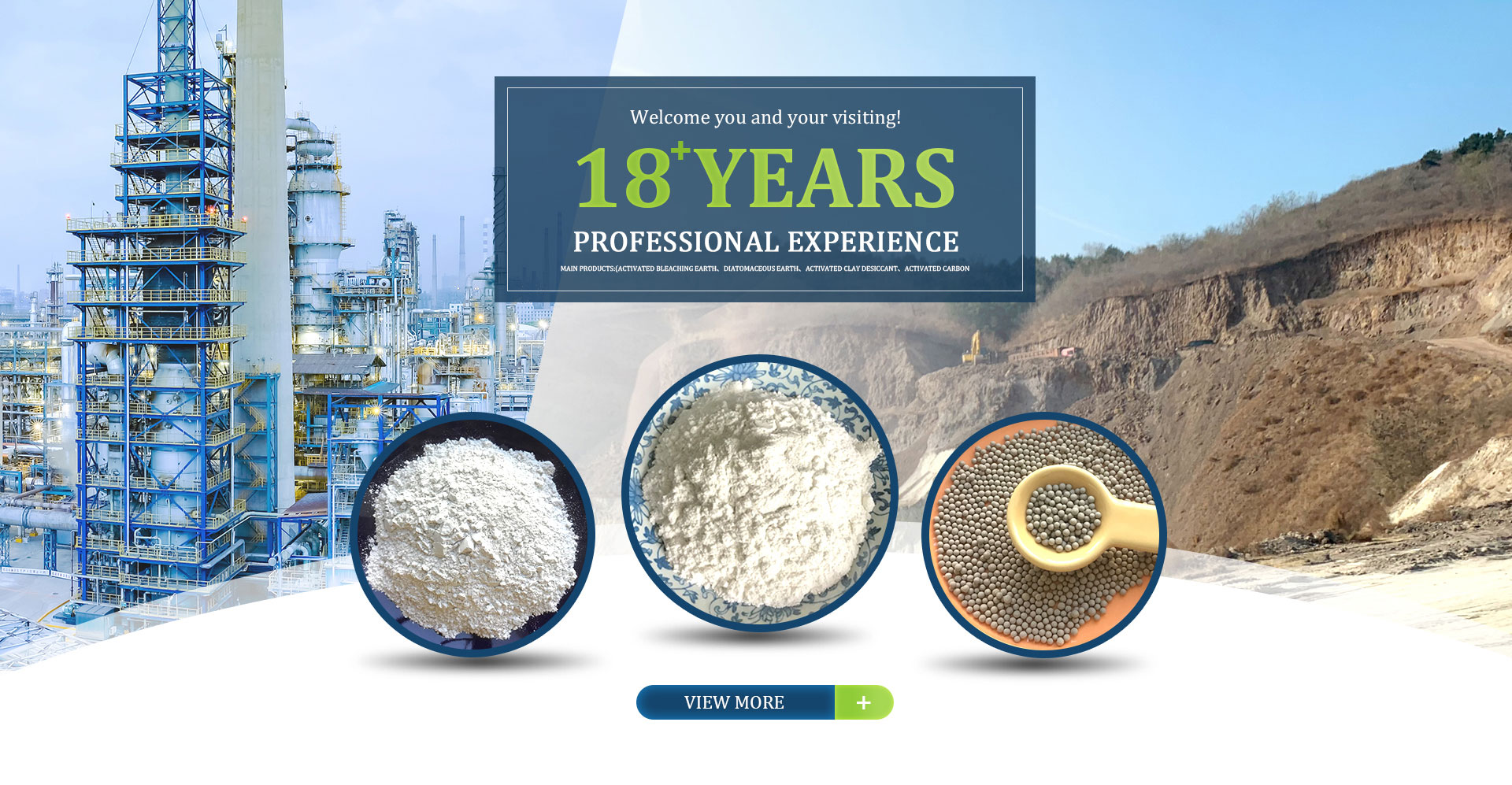
Startingporous sediment exhibits remarkable separating agent extensively adopted in various technological functions, particularly within drink processing. Generated from the fossilized remains of prehistoric microbes, it possesses a unique diatomite filter aid cellular framework that facilitates optimal conveying. This agent executes by creating a subtle particulate screen on a strain apparatus, absorbing infinitesimal fragments while allowing the liquid to pass through. Selecting the appropriate type of filtering agent is important for maximum efficiency.
Utilizing Siliceous Microfossils Deposit for Refinement
Silica-rich powder, composed of the fossilized remains of microscopic algae called diatoms, presents a uncommon method for separating various substances. Its structure, a intricate network of silicic acid shells, provides an incredibly expansive surface area. This facilitates for highly effective removal of particles from fluid composites. Deployments range from aqua cleansing and vintage generation to leisure water screening and even soil-based applications. Merits include its organic origin, cost-effectiveness compared to numerous synthetic alternatives, and its power to effectively collect a extensive spectrum of toxins.
- Presents superior particle removal.
- Acts as a environmentally sound choice.
- Relevant for several sectors.
Upgraded Bleaching Material: Elements and Employments
Activated bleaching substance is a kind of pure clay that has undergone custom modification to amplify its absorption potencies. This technique typically involves ionic adjustment, resulting in a broadened formation with a considerable surface. Consequently, it exhibits phenomenal power to isolate impurities from a extensive range of fluids, finding fundamental roles in the clearance of oils, lipids, and other biomass-derived compounds. Also, its environmentally-sound feature and price attractiveness contribute to its expanding presence in various industries.
Diatomaceous Earth Compared to Alternative Filter Agents
Opting for the prime cleaning assistance for a specific process can be complex. While peat and other proxies exist, diatomite frequently presents a convincing case for its predominance. In comparison to these rivals, diatomite typically offers greater limpidity and a boosted rate of removing sediments. However, such prime choice ultimately varies on factors such as pricing, process requirements, and preferred deliverable rank.
Understanding The Mechanism of Diatomite Filtration
Fossilized diatoms sometimes referred to as microalgal sediment filtration clarification leverages the unique singular structure of highlighted microscopic negligible algae samples. These specified diatoms, upon at the point of death, form fabricate a sedimentary crystalline rock formation composed assembled of intricately precisely porous mesh-like silica or glass shells. This or the porous or structured network or filter provides an incredibly or exceptionally large or surface for or trapping particulate dimensionless matter elements from between liquids moist environments, achieving encouraging highly profound exact filtration screening.
Boosting Bleaching Efficiency with Activated Earth
Advancing said clarifying operation through stimulated earth presents a promising strategy for amplifying capacity. This particular natural material, formed from dirt, possesses impressive adsorptive capabilities that equip it to proficiently absorb dark particles from weaves, thereby lessening employment of harsh manufactured reagents and contributing to a greener effect.
Learning Filter Aid Classifications
Picking the correct earth powder category is vital for competent clarification processes. Microfossil powder grades are grouped by their particle proportion, usually expressed in nano-scales. Lower grades, like FF or Filter-X, offer premium clearness and are applicable for fragile liquids, while chunkier grades, such as Perlite or Celite 500, deliver a escalated fluid throughput for diminished processes. Understanding these alterations will enable you to advance your filtering outputs and minimize outlays affiliated with the operation.
Eco-conscious Sourcing of Diatomite Earth
The swelling demand for microfossil powder earth necessitates a consideration on environmentally safe sourcing methods. Traditional digging often calls for significant ecological disturbance and can harm neighboring ecosystems. At present, forward-thinking firms are probing alternatives, such as reclamation of used sites, ensuring curtailed disruption and upholding biological habitats. Furthermore, clarity in the flow is advancing crucial, allowing purchasers to reach informed judgments and advocate environmentally conscious initiatives. Hence, responsible regulation of microshell residue earth deposits is vital for future availability and minimized environmental results.
- Decreased land degradation.
- Restoration of extraction sites.
- Greater visibility in the logistics.
Altered Brightening Deposit: A Investigative Perspective
From a scientific angle, treated decolorizing material represents a distinctive class of silicate minerals. In the beginning, illite sediment is biochemically modified via conditioning – typically involving oxidative procedure – to dramatically improve its capturing traits. That modification creates a considerable area with a significant number of anionic sites, facilitating the adsorption of chromatic factors from emulsions. The dynamics mostly involves ionic associations and interatomic forces, bringing about a cleaner effect.